
Concrete Polishing in Strip District
The Strip District runs on hard-working floors, from wholesale food houses and cold storage to warehouses reborn as offices, breweries, and showrooms. Polished concrete keeps them bright, sanitary, and easy to clean.
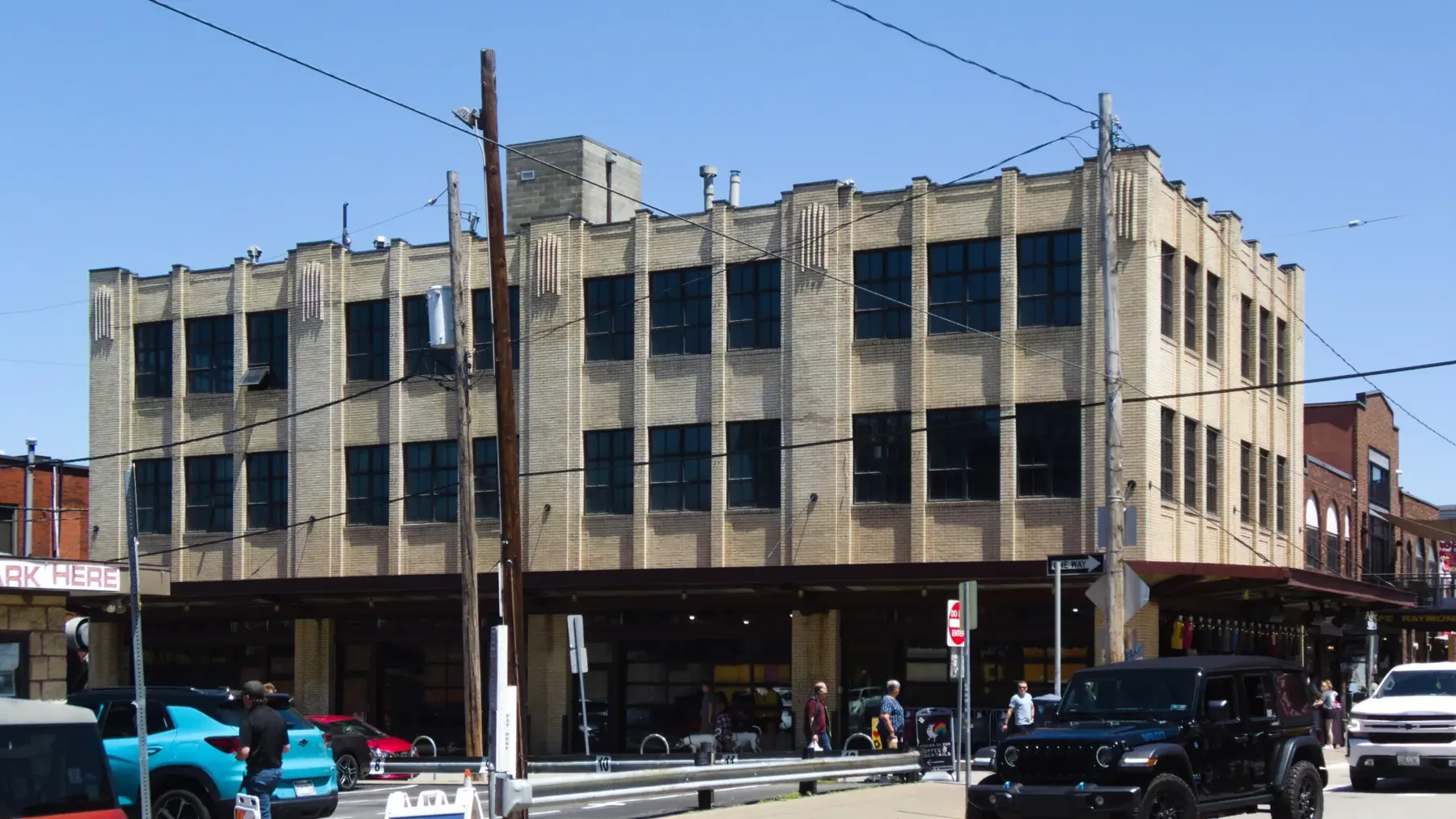
A commercial building on Penn Avenue in the Strip District. Photo: Cbaile19, CC0, via Wikimedia Commons.

The floors Strip District runs on
What We Polish in Strip District
Strip District buildings see constant cart, pallet, and foot traffic, and many handle food. A densified, sealed polished slab cleans up fast, reflects light through old brick interiors, and holds up without the downtime of a tear-out.
Wholesale and food distribution houses
Warehouses converted to office and retail
Breweries, markets, and food halls
Restaurants and specialty retail
Built for the way Strip District works
Sectors We Serve Here
Warehouses & Distribution
High-traffic floors that take forklift loads and shrug off tire marks.
Retail & Showrooms
A reflective, high-end floor that sells the space the moment they walk in.
Food & Beverage
Sealed, sanitary, slip-rated finishes that pass inspection.
Drag to see the difference
Same Slab, Reborn
Food distribution, wholesale warehouses, breweries, and converted retail. It's the same slab, ground and densified to a light-reflective finish, so demolition isn't part of the job.
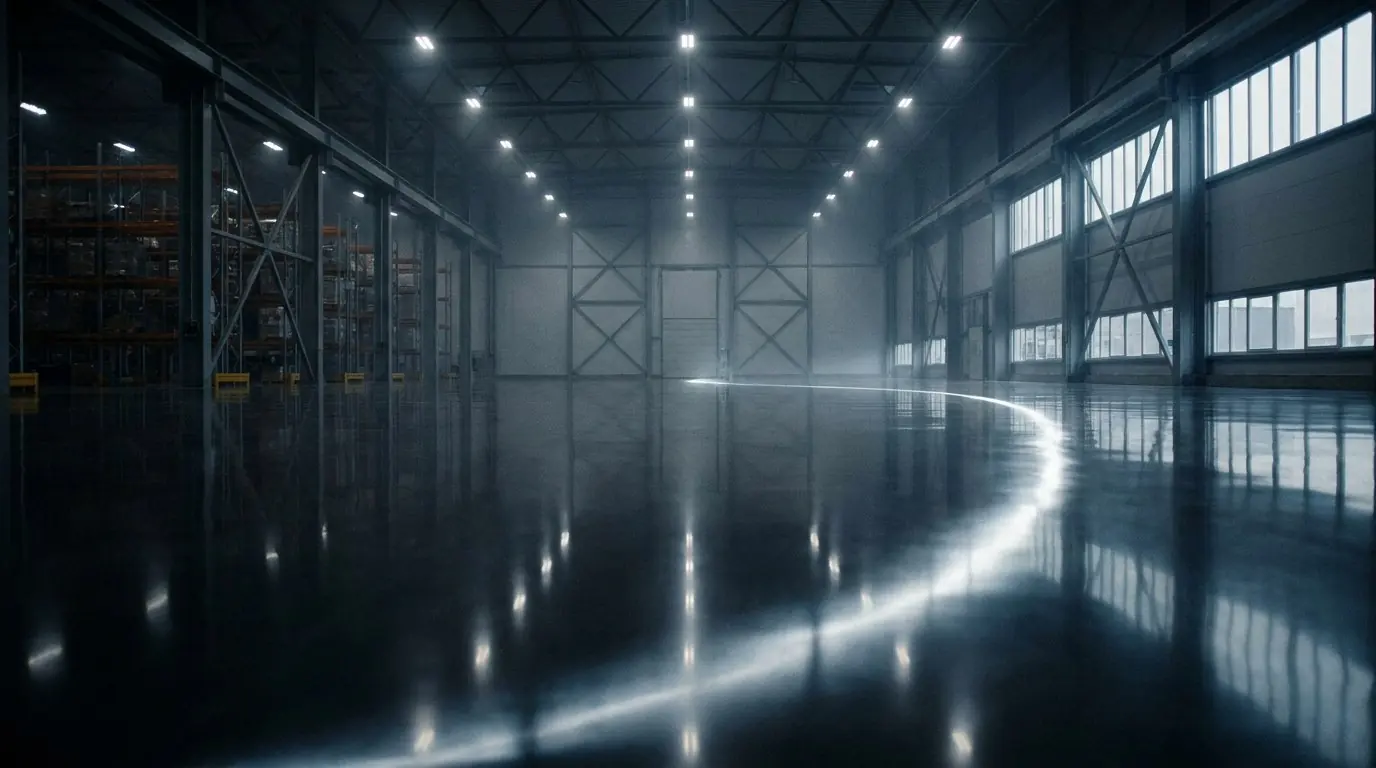 Polished
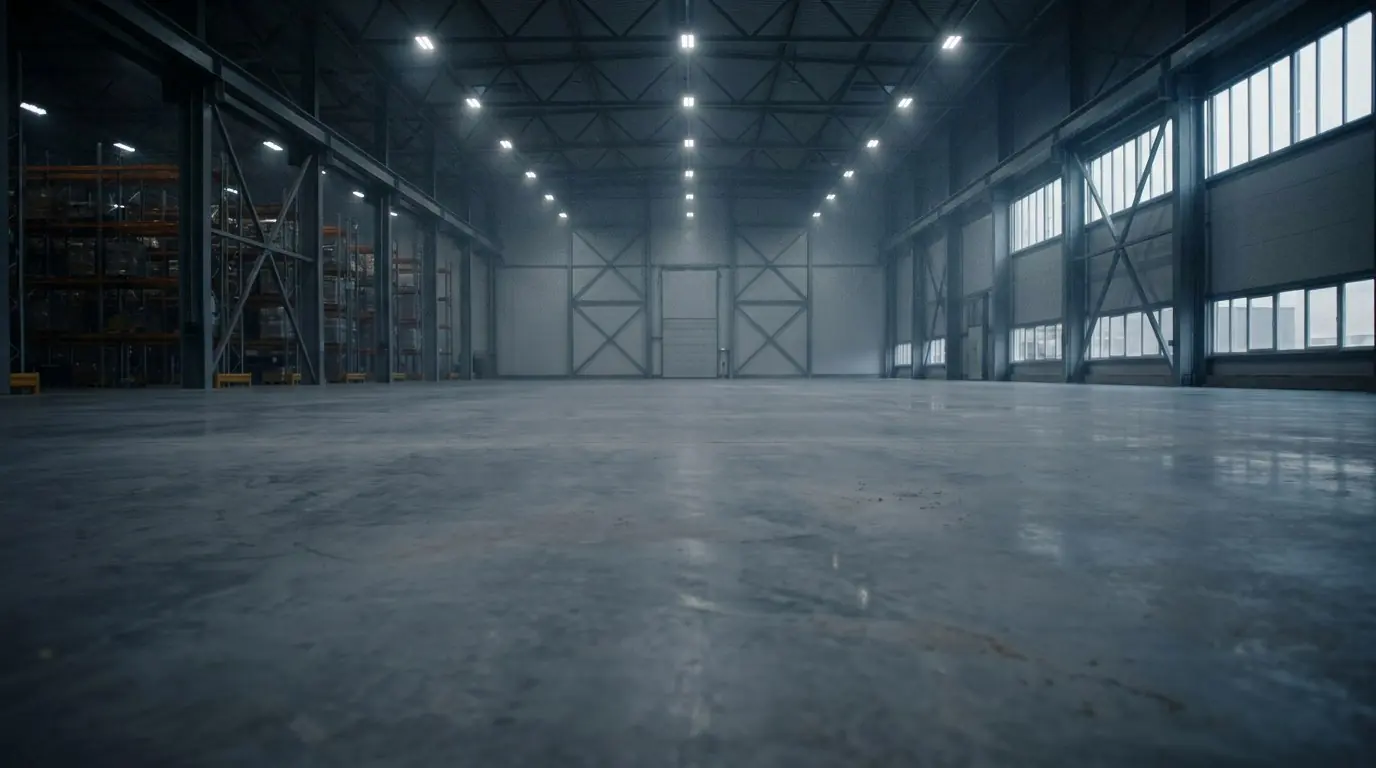 Dull slab
Grind, densify, polish, seal: the same four-step process on every Strip District floor. See how it works.
Strip District questions, answered
Asked about Strip District
What managers and contractors in Strip District ask before they book a walkthrough.

Can an old Strip District brick or timber building take a polished floor?
Often, yes, but it's the slab that decides, not the facade. Buildings here have been patched, topped and coated for generations, and a coating, mastic or a poured topping over an older slab changes the plan. We look at the actual floor on a walkthrough and tell you what it will and won't polish to before anything is priced.
How do you work around early-morning deliveries and a wholesale schedule?
Strip District operations start before most offices open and share narrow streets and loading space, so we plan the work in zones that leave your dock, cold storage and customer entrance usable. We'll agree the staging plan on paper first, with your receiving hours in it.
What does winter do to a floor that food, carts and wet boots all cross?
Wet carts and salted boots move straight from the street to the sales floor. A sealed, polished slab wipes clean without a wax schedule, and the finish at doors and wash-down areas can be chosen for traction instead of shine. We'll also tell you where a mat or a different finish belongs.
I run a Strip District shop or market. What do you need for a quote?
The address, a rough square footage, what the floor is now, and the hours you can't be disturbed. Photos help. We walk it with you, write the scope, and flag anything about the slab you'll want to know before you commit.
Walk your Strip District floor with us
Tell us the address and what the floor does all winter. We will check the slab and write a scope for your Strip District building.
Nearby
We Also Serve the City of Pittsburgh
From the team at Pittsburgh Epoxy Flooring
One Crew. Every Floor.
This is our commercial and industrial concrete polishing division. If a floor in Strip District needs epoxy, decorative flake or a metallic coating instead of polish, our flagship site takes that job, with the same crew and the same standard.
- Epoxy floor coatings
- Decorative flake systems
- Metallic & high-build epoxy
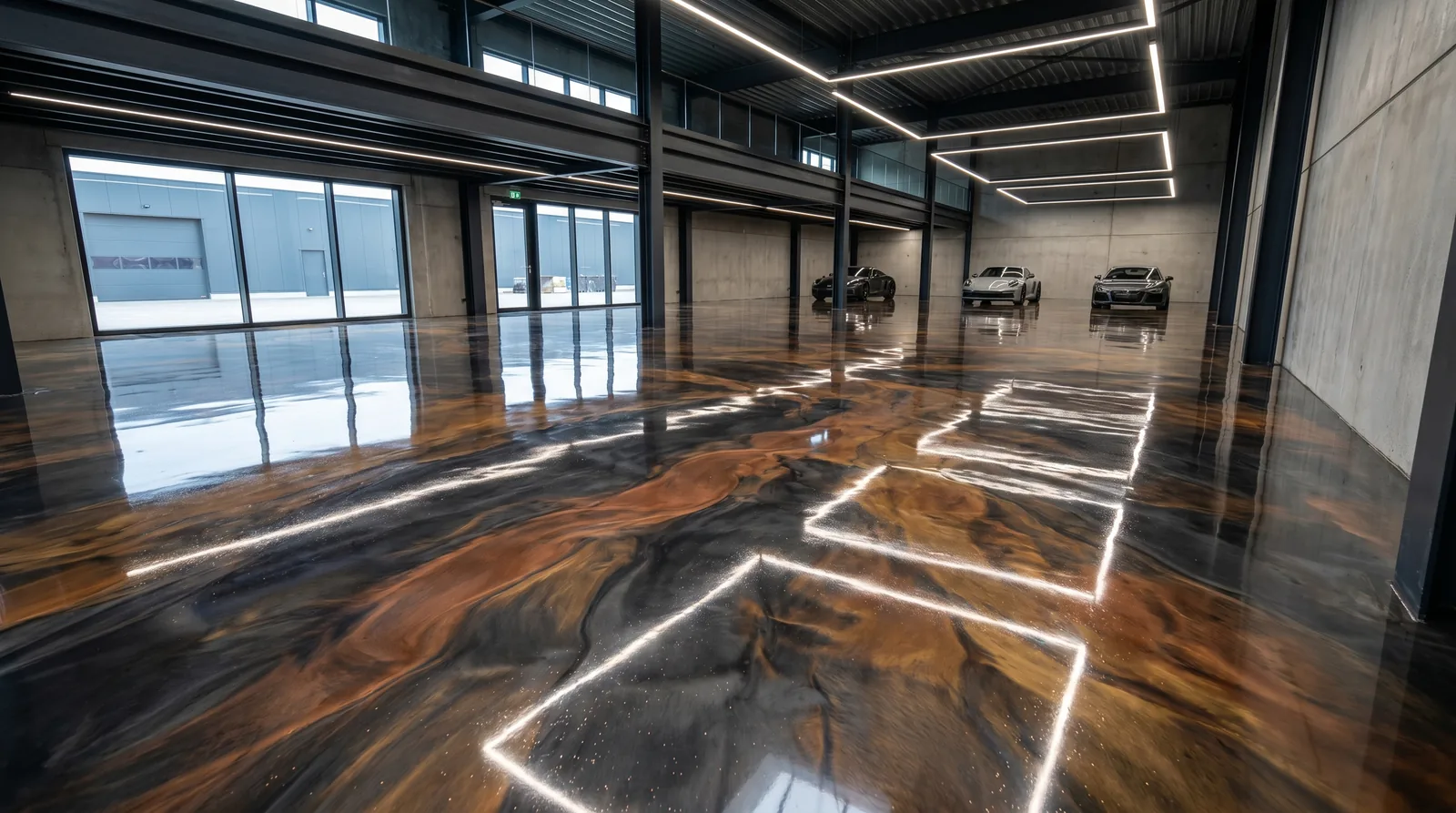
- Garage, showroom & shop floors
Get your Strip District floor quoted in 24 hours
Commercial and industrial polishing across Greater Pittsburgh and surrounding areas.