

For facility managers, property managers and general contractors
Floors that take a Pittsburgh winter
From November to March, every boot and pallet jack carries salt, slush and grit across your floor. Polished concrete cleans up fast, has no wax to strip and re-apply, and gets installed indoors, so the weather doesn't set your schedule.
- Indoor work, any weather
- No wax, no stripping cycle
- One crew, prep to final polish
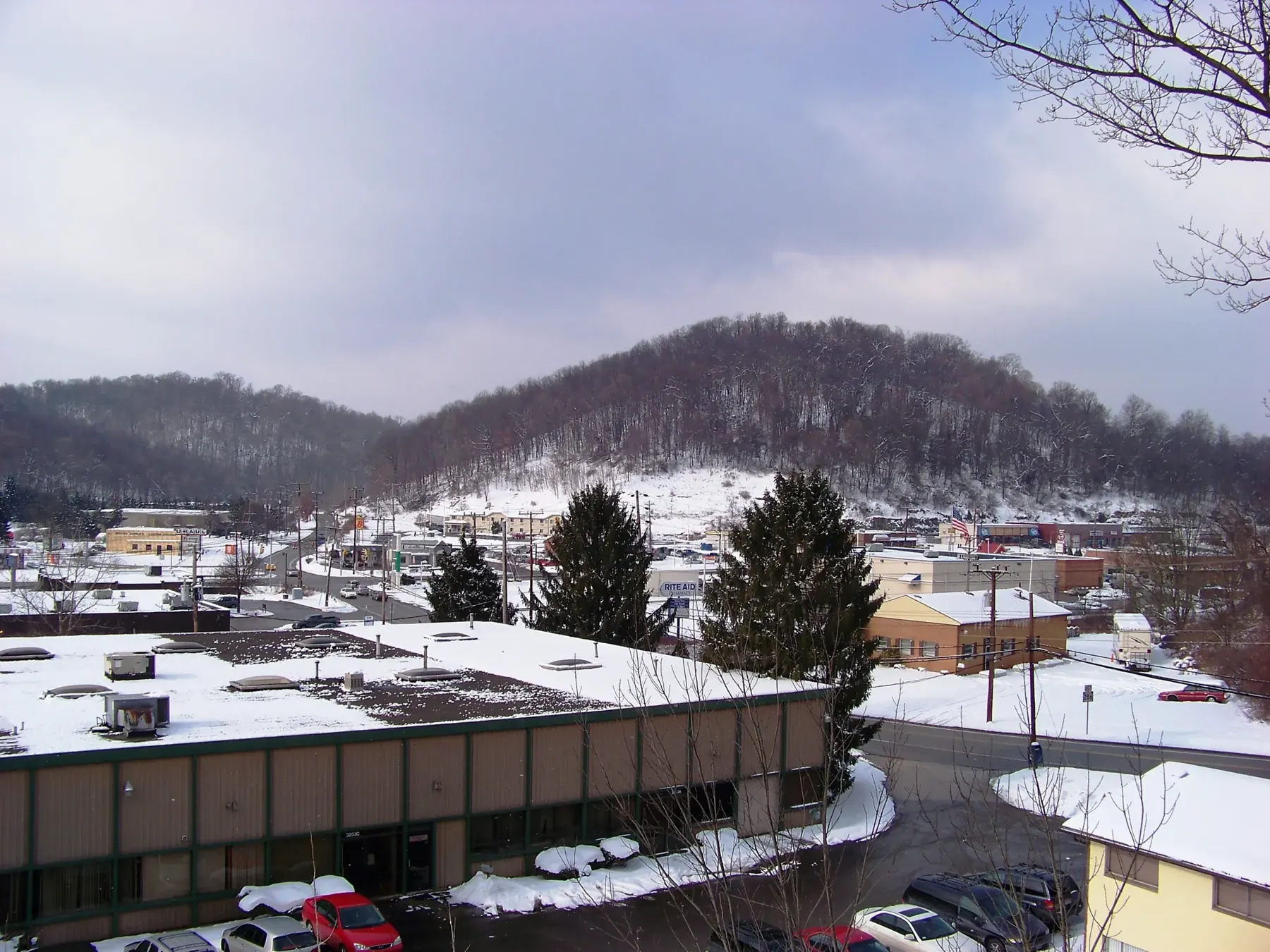
Photo: Cbaile19, CC0, via Wikimedia Commons
What winter does to a commercial floor
Three places it shows up first
The entrance
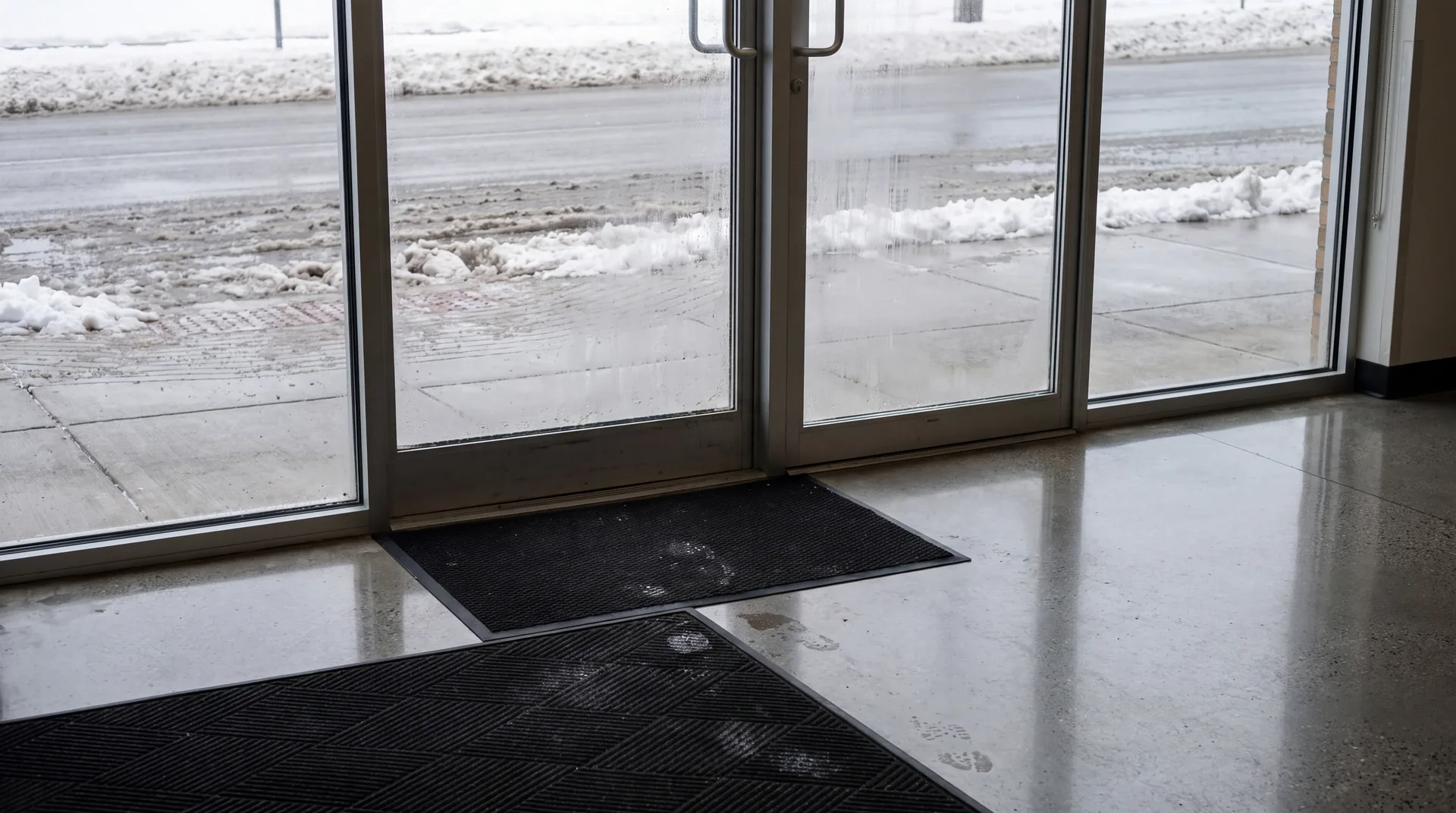
Salt and meltwater arrive on the first step inside. A mat zone long enough for several steps catches most of it, and the first stretch of floor can carry a lower sheen so it grips better when wet.
The dock and the aisle
Forklift tires carry grit and slush across the slab and wear it like sandpaper. A densified floor resists that abrasion, and the lanes that wear fastest get a plan instead of a surprise.
The cleaning cart
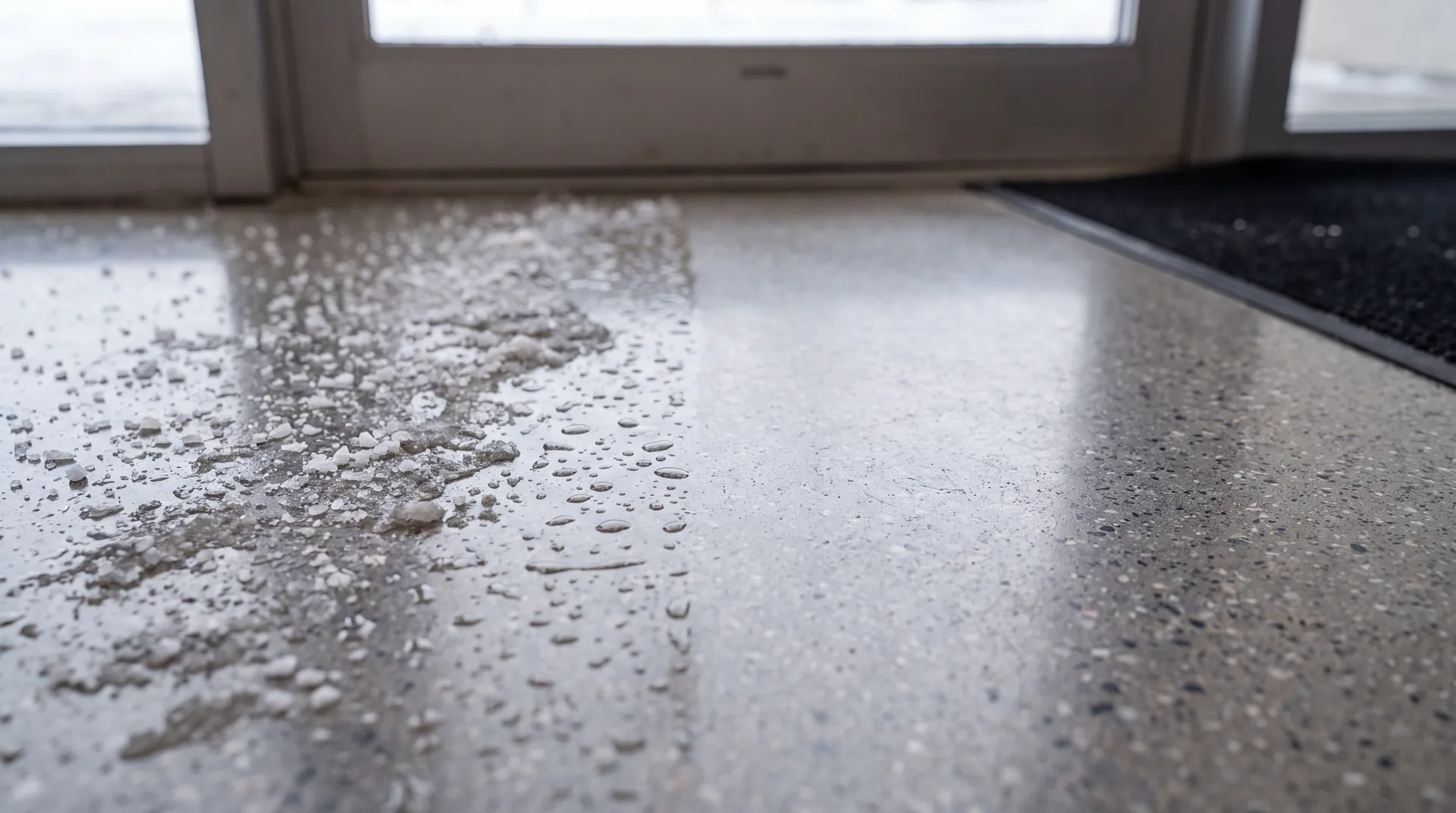
A sealed polished floor has no wax to strip, so winter cleaning is a scrubber and a neutral cleaner. De-icers and acidic cleaners left to sit are what dull a polished floor, so the routine matters more than the product.
Every floor is different, so we'll check the slab before we promise a result.
At the door
The entrance is where a winter floor takes its hardest wear
 Illustration
 Illustration
For your bid package
The polished concrete spec sheet
Two pages you can hand to an owner, a superintendent or a purchasing group. It covers the work from prep to final polish and what we'll need to quote it.
- The process, from slab check to guard
- Finish levels from matte to high gloss, and where each one fits
- Slab conditions that change the plan
- Winter entrance and cleaning guidance
- What we need from you to write the scope
PDF, letter size, prints clean in black and white.

Who this page is for
Two people, one floor
Facility and property managers
- A written scope that names the finish level, so the floor matches what you were shown
- A phasing map that keeps docks, aisles and customer entrances usable
- A cleaning routine your crew can follow, in writing
- One contact from the walkthrough to the handoff
General contractors
- Polishing sequenced with your other trades at preconstruction, with protection for the finished floor
- Joint and crack repair called out as its own line in the scope
- A scope you can drop into a bid package or an owner's spec
- One contact for site questions and scheduling
Pittsburgh buildings we get asked about
Old brick, big slabs, tight docks
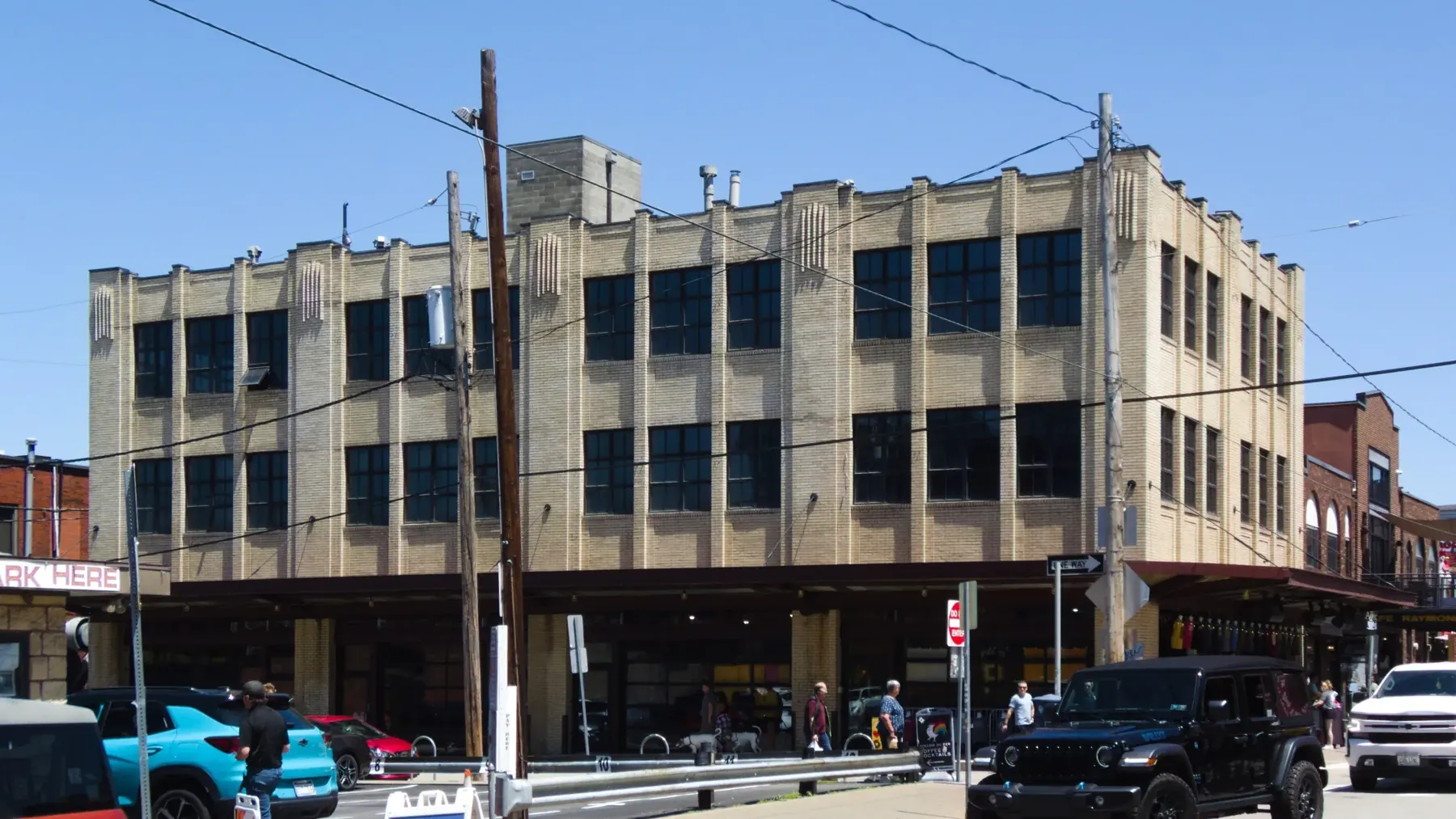
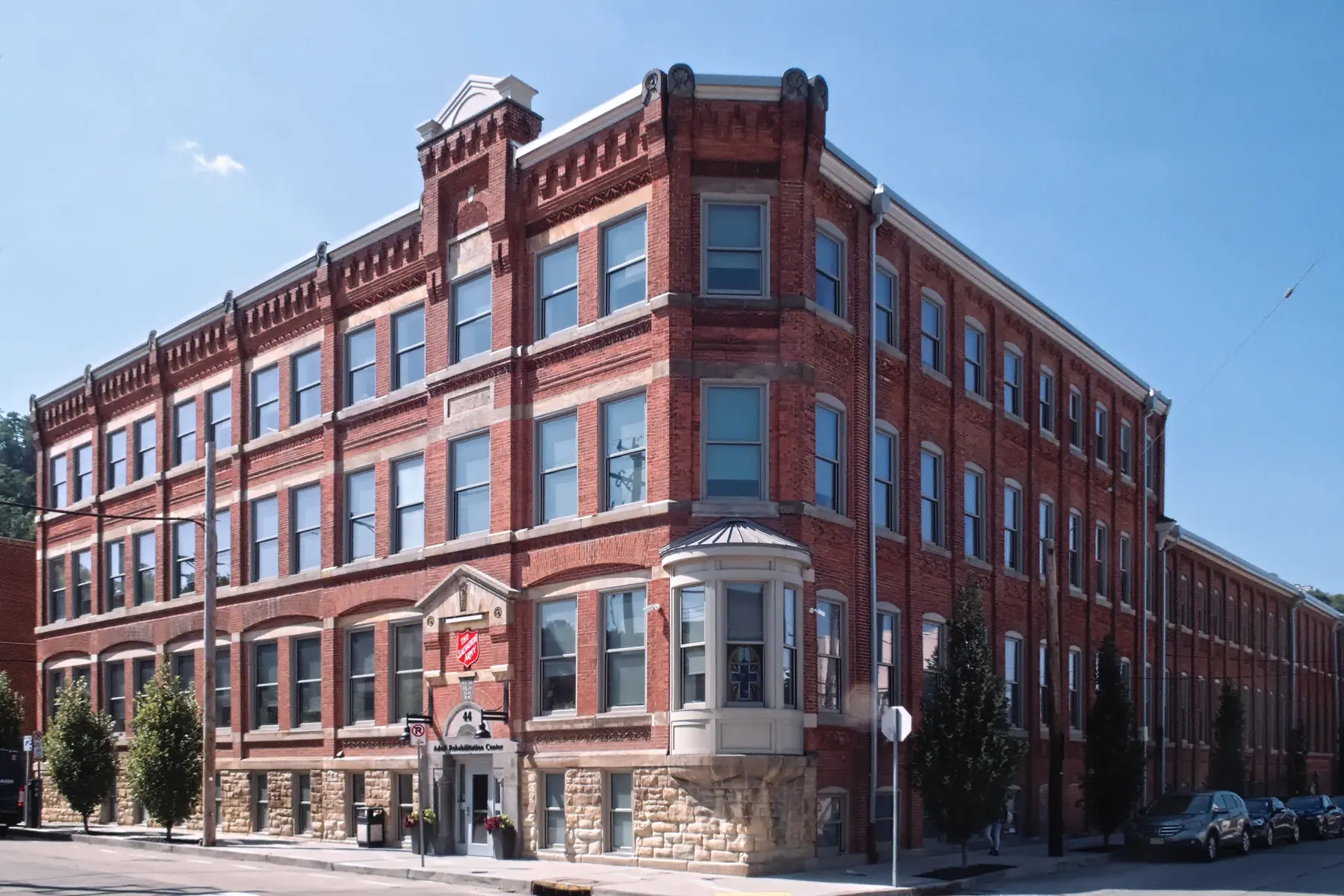

Across the Greater Pittsburgh region.See all service areas
How the work goes
Indoor work that keeps its schedule
- 01
Walkthrough
We walk the building with you and check the slab: joints, patches, old coatings and moisture.
- 02
Written scope
You get the areas, the finish level, the repairs and the access we'll need, in writing.
- 03
Phasing plan
Zones, hours and staging are agreed before anything starts, so docks and entrances stay usable.
- 04
Prep and polish
We grind, densify and polish through finer grits to the sheen you chose.
- 05
Guard and handoff
A protective guard goes on, and your crew gets a cleaning routine in writing.
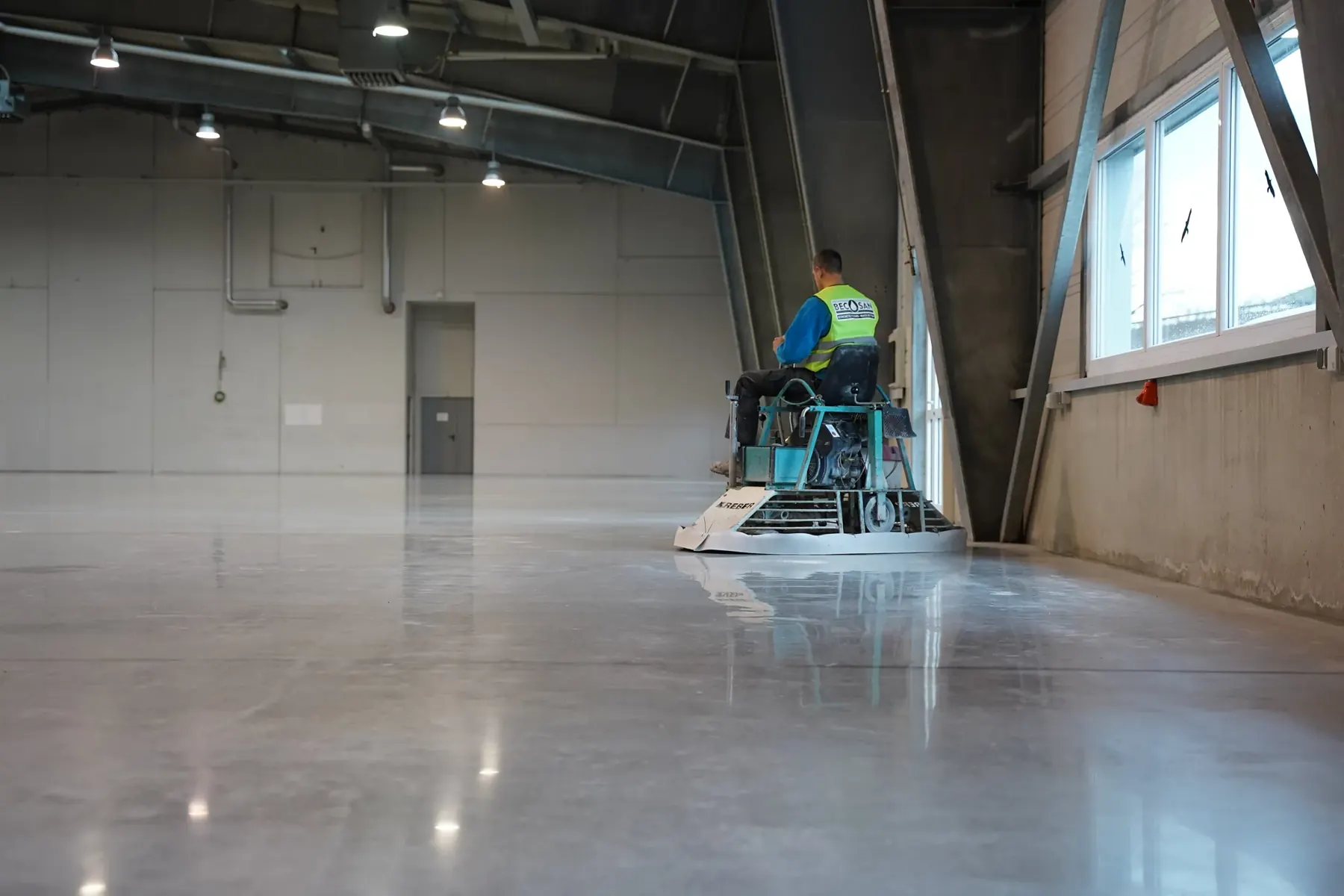
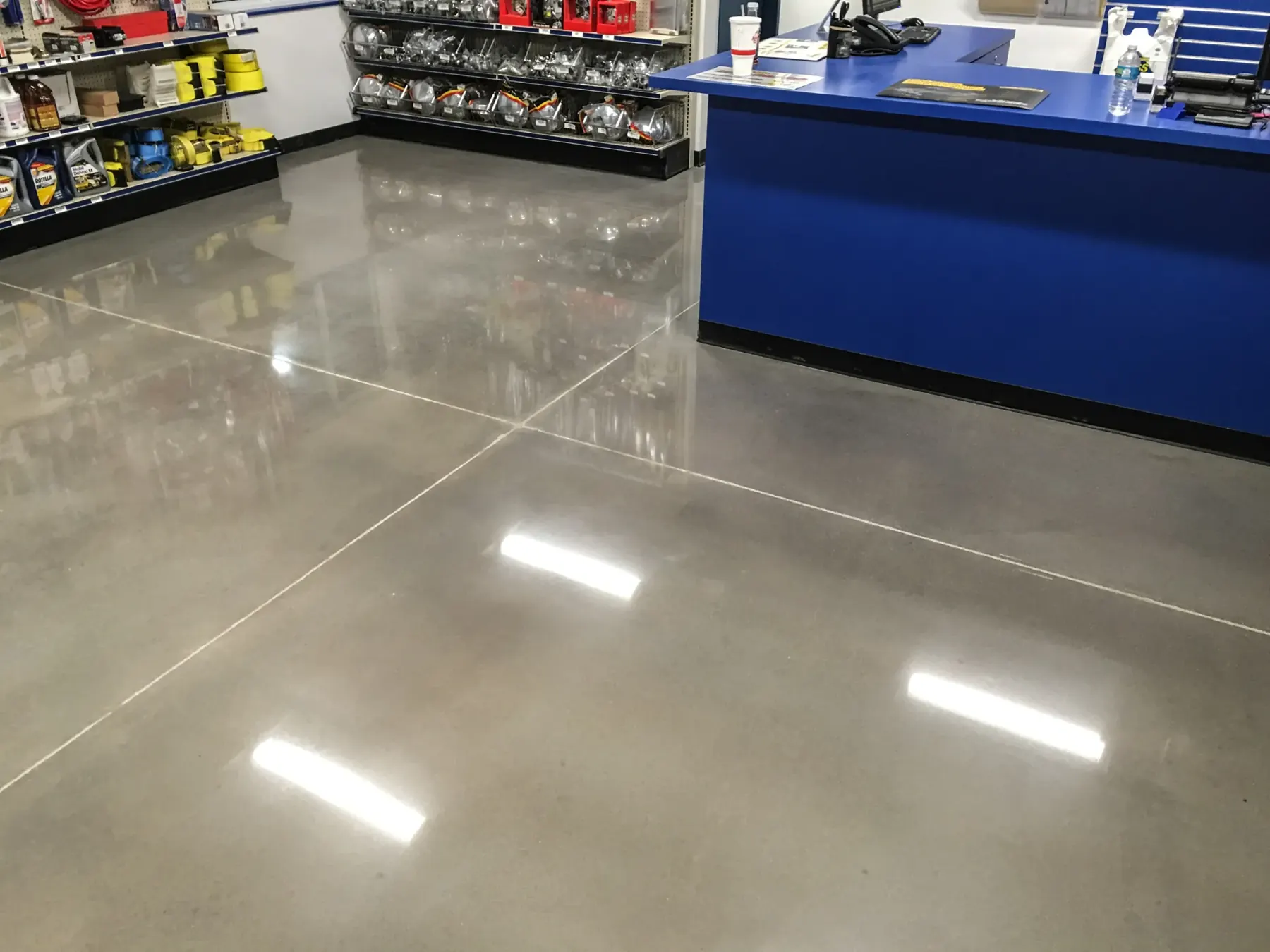
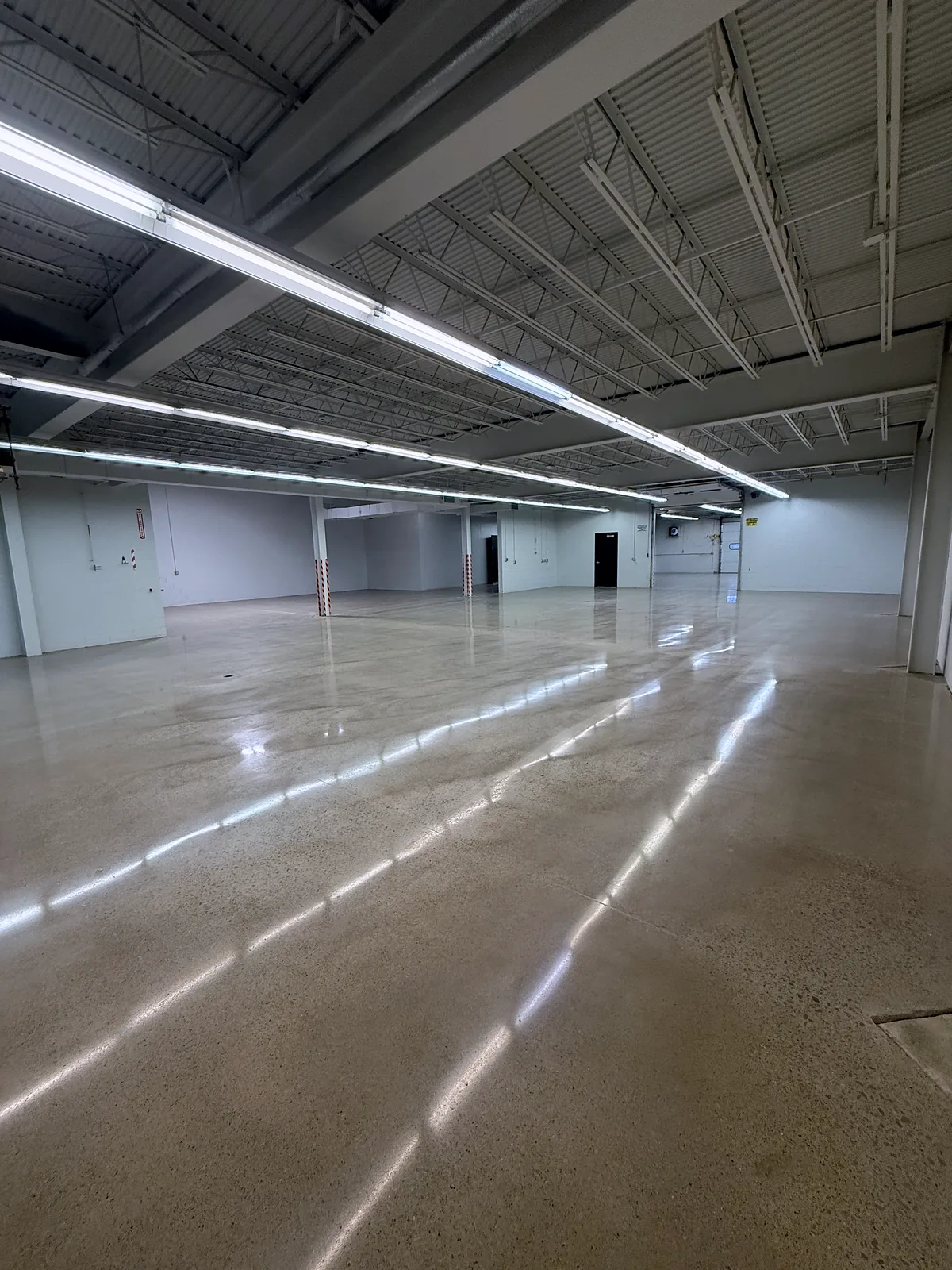
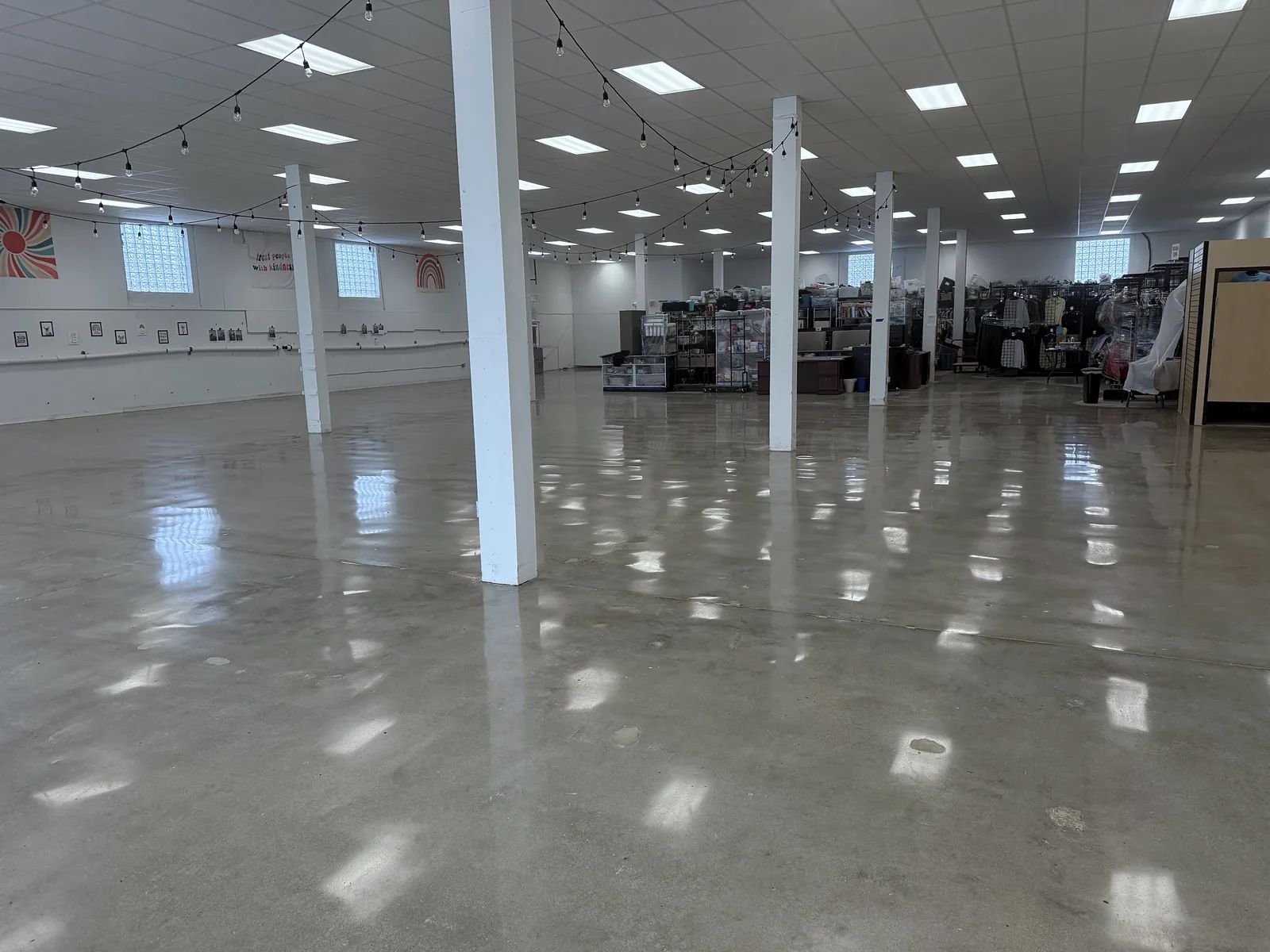
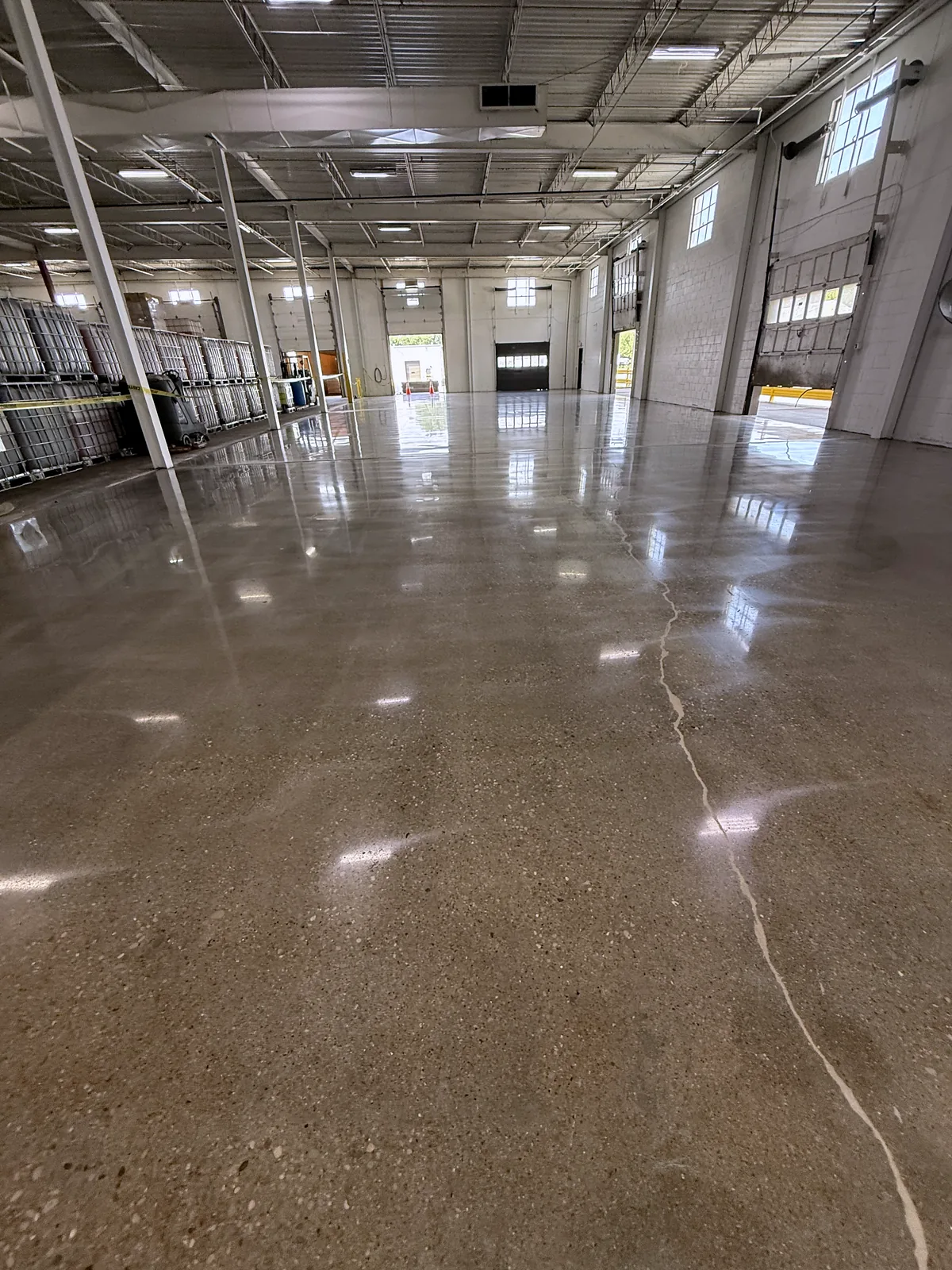
Our own work, shown as shot
Floors we have finished
Request a walkthrough
Send us the building
Tell us where it is, how big it is and what the floor does all winter. A person reads it and calls you, and that's where the walkthrough gets set up.
- 1
We read your request
Address, size, current floor and the hours we can work.
- 2
We call you
A short conversation to understand the building and who else is involved.
- 3
We walk the floor
Slab, joints, access and winter entrances, then a written scope.
Prefer to talk first
(724) 814-1745109 Buhl Rd, Evans City, Pennsylvania 16033
Serving Greater Pittsburgh and surrounding areas.
Helpful to have ready
- The address and a rough square footage
- What the floor is today: bare slab, tile, coating
- The hours we can work, and what must stay open
- A few phone photos of the floor
What facility managers ask us
Straight answers
The questions we get from managers and contractors before a job, answered the way we answer them on a walkthrough.
 Illustration
How do we keep salt and slush from wrecking a polished floor all winter?
Stop most of it at the door. A walk-off mat zone long enough for several steps catches the bulk of the salt and meltwater, and a daily dust mop or machine scrub with a neutral-pH cleaner handles the rest. Salt that dries leaves a white film that scrubs off. Avoid acidic cleaners, which dull a polished surface.
Will the floor be slippery when the entrance is wet?
Any hard floor can be slick when it's wet, polished concrete included. Sheen and traction can be chosen by zone, so entrances and dock doors can get a lower-sheen or traction-minded finish while the main floor gets the polish. Ask for slip-resistance information on the finish you're considering, and we'll tell you if a particular entrance should be treated differently.
Can you work around our operation, and does the building need to be heated?
We phase the work by zone so docks, aisles and customer entrances stay usable, and the map of what is down and when is agreed on paper first. Densifiers and guards have minimum temperature ranges, so the space needs to be heated while they're applied. In a working Pittsburgh building that's usually already the case.
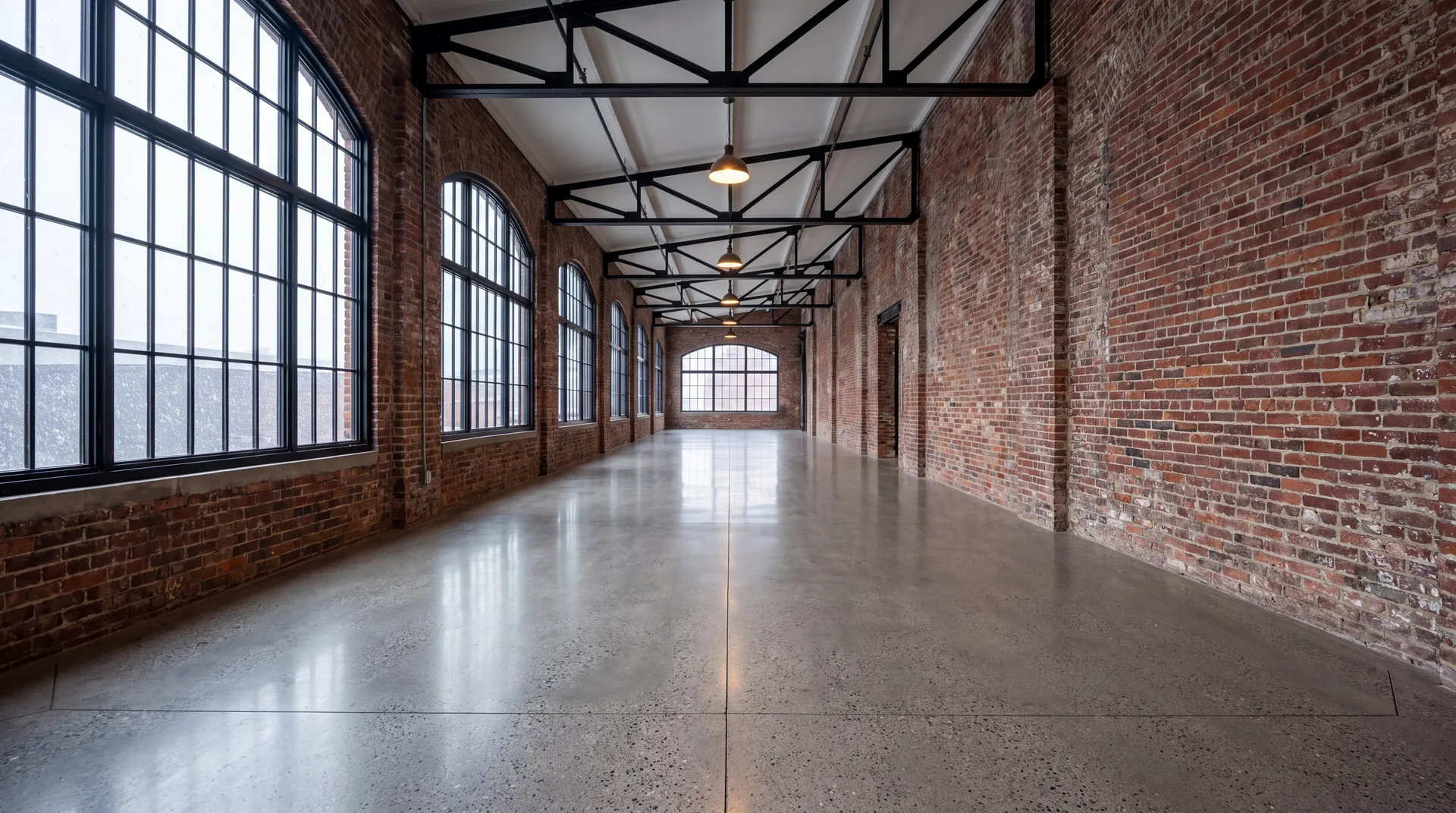
Our building is an older Pittsburgh brick or mill building. Can the slab be polished?
Often it can. Older slabs have been patched, topped and coated for generations, and moisture, mastic or an old coating can change the plan. We look at the real floor on a walkthrough and tell you what it will and won't polish to, before anyone spends money.
I am the general contractor. Where does polishing fit with the other trades?
Late enough that the messy trades are done and early enough that the floor is protected before it takes traffic. We would rather set the sequence with you at preconstruction than patch around it afterward. You get one contact, a written scope and a protection plan for the finished floor.
What do you need from me to quote, and what is in the spec sheet?
The address, a rough square footage, what the floor is now, how it's used and the hours we can work. The spec sheet covers the process from prep to final polish, the finish levels, the slab conditions that change the plan and cleaning guidance, so you can drop it into a bid package.
Walk the floor with us
Send the address and what the floor does all winter. We'll check the slab and write a scope you can hand to your owner or your GC.